Statement by Dr. Obote Odora
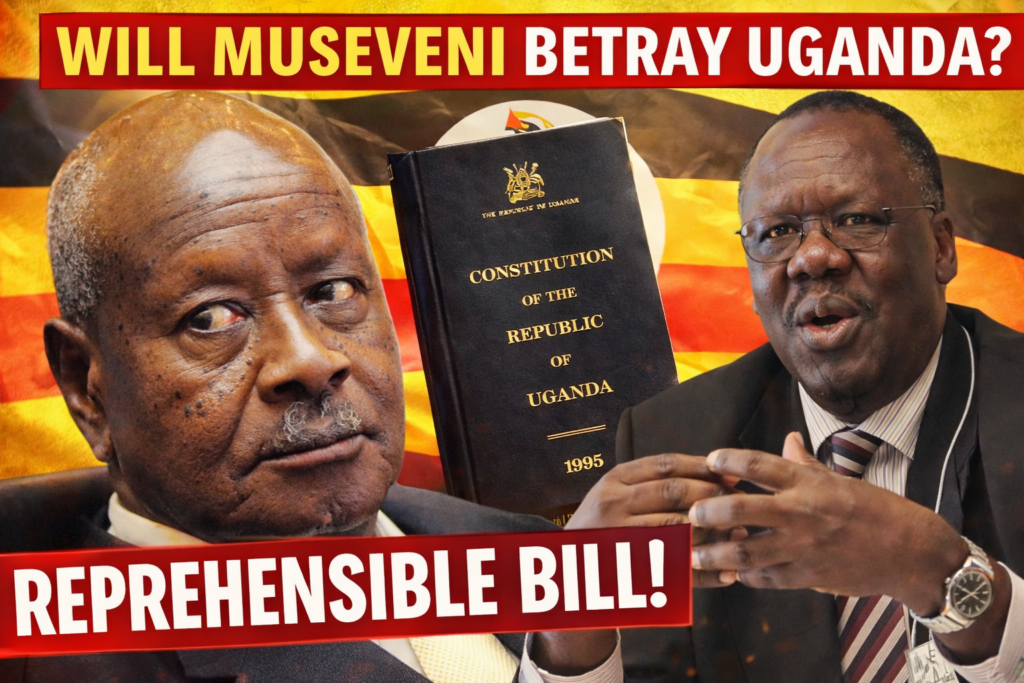
Recent developments, including speculation about international movements such as LNG transit and unrelated security deployments abroad, must not distract Ugandans from a far more urgent and dangerous domestic threat. The so-called Protection of Sovereignty Bill 2026 is not a safeguard of national interest—it is a calculated and repugnant assault on Uganda’s Constitution and the fundamental rights of its citizens. It is, in the clearest terms, an act of constitutional subversion.
At its core, this bill seeks to redefine Ugandan citizenship in a manner that is both unlawful and morally indefensible. By designating Ugandans living in the diaspora as foreigners for the purpose of taxing remittances, it effectively strips them of their birthright. This is a direct violation of the 1995 Constitution, which guarantees citizenship by birth and does not permit arbitrary reclassification of nationals based on residence. Such a move does not merely impose unjust taxation—it renders millions of Ugandans vulnerable to statelessness, a condition that is both inhumane and prohibited under international law. No government has the authority to exile its citizens by legislative trickery.
Equally alarming is the method by which this change is being pursued. The Constitution is explicit: any amendment affecting fundamental rights, including citizenship, must be subjected to a referendum. Attempting to alter such provisions through ordinary legislation is not only procedurally invalid but constitutes a deliberate circumvention of the sovereign will of the people. This is governance by deception, not by law. It is an affront to constitutionalism and a betrayal of the trust upon which the state is founded.
The bill further descends into dangerous territory by casting suspicion on ordinary Ugandans. By implication, families receiving financial support from relatives abroad are treated as conduits of foreign influence. This is a grotesque distortion of reality. Remittances are not instruments of subversion; they are lifelines that sustain households, support education, and stabilize the national economy. To criminalize or stigmatize such support is to punish citizens for survival and to fracture the very social bonds that hold the nation together.
Most troubling, however, is the broader constitutional erosion this bill represents. It is part of a sustained pattern under President Yoweri Museveni to concentrate power within the executive, systematically weakening Parliament and undermining judicial independence. By arrogating to himself powers that properly belong to the legislature and the people, the President places himself above the Constitution. This is not merely bad governance—it is a fundamental violation of the doctrine of separation of powers, which is the cornerstone of any democratic state.
In any functioning constitutional order, such actions would trigger immediate accountability, including impeachment. Yet Uganda’s Parliament, stripped of its authority and rendered ineffective, has failed to act. This institutional paralysis does not legitimize the wrongdoing; it only deepens the crisis.
Let it be stated without ambiguity: the Protection of Sovereignty Bill 2026 is unacceptable, unlawful, and profoundly repugnant. It seeks to disenfranchise Ugandans, exploit their economic contributions, and dismantle constitutional safeguards under the guise of sovereignty. True sovereignty resides in the people—not in the unchecked will of one individual.
Ugandans, both at home and abroad, must reject this bill in the strongest possible terms. The defense of the Constitution is not optional; it is an obligation. Any attempt to undermine it must be confronted decisively, for the cost of silence is the loss of the Republic itself.
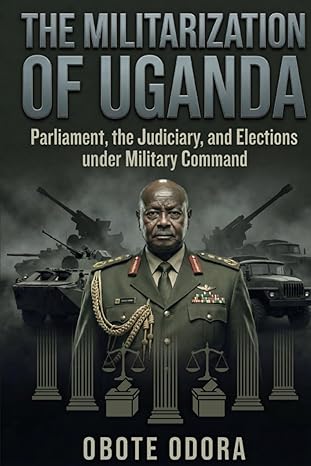
Dr. Obote Odora is a Ugandan lawyer, formerly at the ICC, and Author of many books, including his latest work, “The Militarization of Uganda: Parliament, the Judiciary and Elections under Military Command,” Published in December 2025.
Dr. Odora’s New Book Link: https://www.amazon.com/MILITARIZATION-UGANDA-Parliament-Judiciary-Elections/dp/B0GP6X5N9L